"Powering Hotels Smartly: An AI-Driven Energy Management Journey"
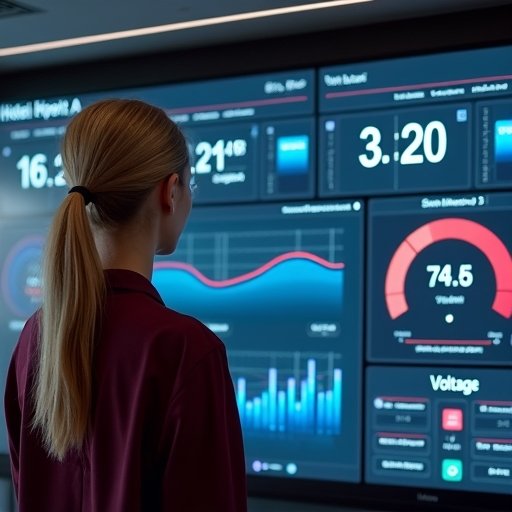
The analysis identifies specific peak loads across different operational areas, highlighting how the Combined Heat and Power (CHP) system offsets demand during high-activity periods.
Hey everyone! 🌟 Ready for a sneak peek into how hotels are mastering the energy game? Let’s dive into some electrifying insights! ⚡️💡
1️⃣ AI at Play – Ever wondered how hotels stay energy-smart? With AI, their energy spikes at about 400 kW during busy daytime, but dips low at midnight when the halls are quiet. 🌙✨
2️⃣ Power Heroes – The unsung hero, the Combined Heat and Power (CHP) system, hums steadily all day, producing up to 168 kW. Keeping things running smooth and steady! 👍
3️⃣ Without CHP – Notice how energy usage might just soar to 524 kW without the CHP during busy check-ins and meal times? It’s all about balance! ⚖️
4️⃣ Kitchen Chronicles – Kitchens are where the magic happens, peaking at 318 kW. Breakfast or dinner, energy is always on the menu! 🍳🍽
5️⃣ Dining Dynamics – In the dining room, energy zips up to 105 kW during meal times. It’s where every watt counts! 🥗💫
6️⃣ Chill and Relax – The heat room and clubroom keep a cozy vibe with a steady 138 kW demand, perfect for those chill moments. 🛋️❄️
7️⃣ Cool for the Summer – Food cooling? Vital! Peaking at 37 kW, it’s all about keeping it cool and fresh. 🍦🧊
8️⃣ Welcome Zone – The reception and shop energy ticks at a neat 29.2 kW, marking those busy guest interactions. 🛒🔋
🔍 Summing It Up – From kitchens to clubrooms, every watt tells a story. Managing these helps hotels not just save costs but also optimize their energy use effectively. Let’s cheer for green energy choices! 🌍💚
Drop a like if you love seeing how smart energy use can transform spaces! 💖👇