Powering Hospitality: How AI and Smart Tech Optimize Hotel Energy Consumption
The analysis shows that without a CHP system, energy demand peaks at 524 kW, whereas the system maintains a steady production of approximately 168 kW. Significant consumption occurs during meal preparation (318 kW) and in heating/distribution areas (138 kW).
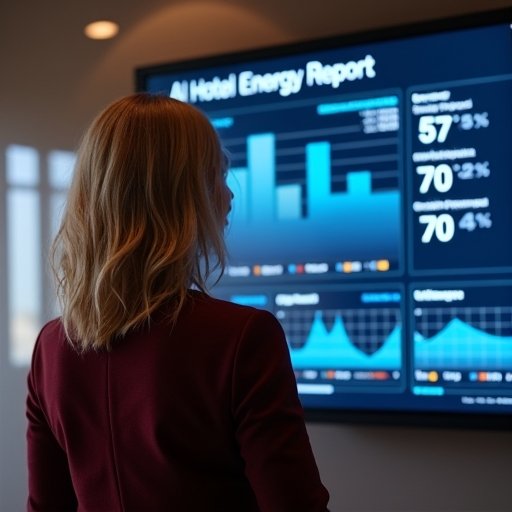
Hey there, eco-warriors! 🌍✨ Ever wonder how hotels manage their energy? Let’s dive into the fascinating world of hotel energy patterns and how AI and tech play crucial roles in keeping things efficient and green! 🏨💡
1️⃣ Behind the scenes, AI is working its magic, managing how much power hotels use throughout the day. Power peaks midday and early evening (up to 400 kW!), then dips as the night rolls in. This drop hints at some savvy energy-saving moves during quieter hours. 🕒🔋
2️⃣ Ever heard of CHP systems? These gems keep energy production smooth and steady at about 168 kW – just what hotels need to match their energy vibes day in, day out, without a hiccup! 🔄💚
3️⃣ Peek at what goes on without the CHP’s help, and yep, there’s a big jump in energy need peaking at 524 kW! This shows just how essential these systems are to keep everything running without a glitch, especially during those busy times. 📈🆘
4️⃣ Check out the kitchen hustle! With energy use spiking at 318 kW, it’s clear that meal prep is a power-hungry time. It’s a hot spot for energy optimization (pun intended!). 🔥🍳
5️⃣ Dining rooms also have their moments, hitting a high of 105 kW around meal times. Energy use dips afterward, telling us that it’s all about the dining schedule. 🍽️🕖
6️⃣ Heating up the club and distribution rooms takes a steady 138 kW, showing more constant use that winds down only late at night. Perfect pointers for where and when to cut back a bit on the heat. 🌡️🌙
7️⃣ Food cooling is a chill 37 kW, pretty steady, which makes sense because, hey, nobody likes a warm salad, right? 🥶🥗 Addressing this steady drain could mean big savings with some smart tech upgrades.
8️⃣ Energy use in shops and reception areas dances around 29.2 kW, spiking with those key check-in and check-out rushes. It’s like a mini-drama of power plays synced with guest comings and goings! 🛒🛎️
To cap it off, these insights show how every watt counts and how closely energy use dances with hotel life. From kitchens to check-in desks, it’s all about smart energy for a greener planet. The right tech can make all the difference. 💪💡🌱
Stay energized and eco-smart, folks! 🌟🌿